
Yosemite Photography Guide: Locations, Light & Timing
Yosemite is the most photographed national park in the country and somehow still manages to surprise you. Where to stand, when to show up, and what the other guides leave out — from 20+ years shooting the valley on large format film.
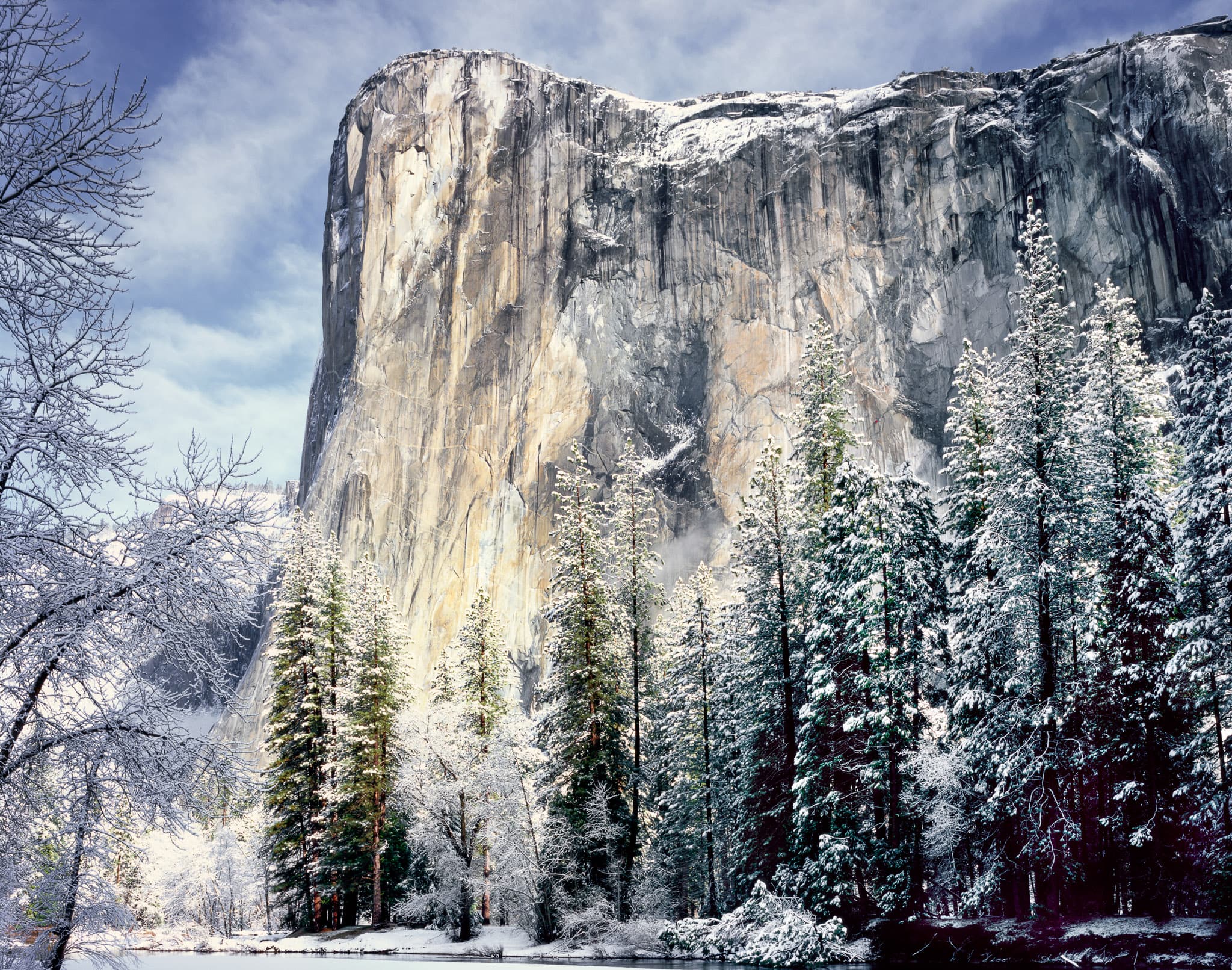
Fine Art Prints
Yosemite photographs — El Capitan, the Valley, and winter light. Limited edition fine art prints.
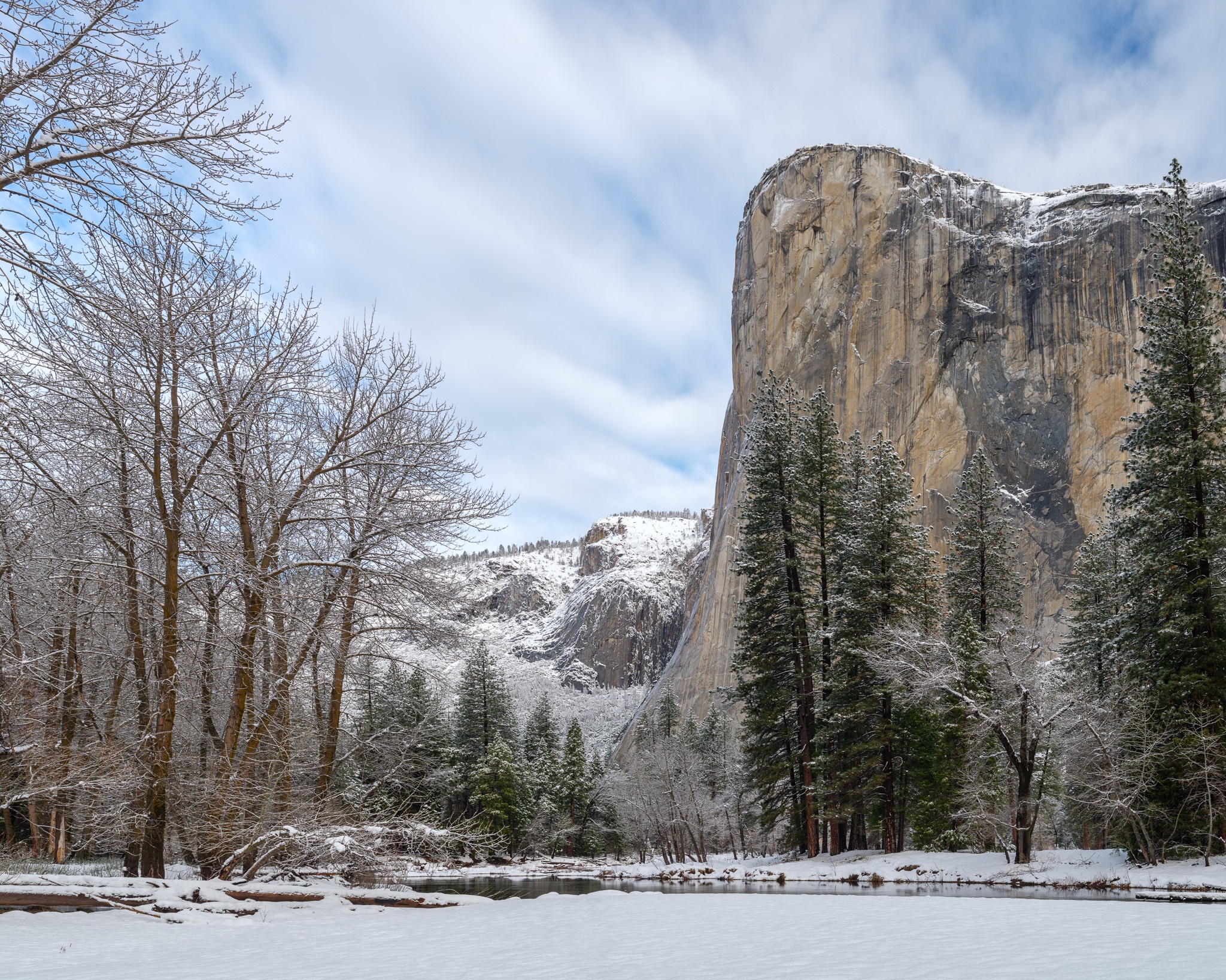
Yosemite has been photographed more than almost any place on earth. You know the shots before you arrive. Tunnel View at sunrise. Half Dome reflected in the Merced. El Capitan filling a frame. The challenge with this Yosemite photography guide isn't giving you the locations — you can find those anywhere. It's telling you what actually happens when you show up, and how to work with conditions that rarely cooperate on schedule.
I've been shooting Yosemite on 4x5 large format film for over twenty years. The valley rewards the kind of patience that format demands. You set up, you wait, you watch the light move. Sometimes you get exactly what you came for. More often you get something different and better, or you pack up in the afternoon having exposed exactly zero sheets of film because the light never showed. That's Yosemite.
What follows is a practical guide to the locations that have produced the most interesting work for me — along with the timing, light behavior, and logistics that actually matter for photographers, not tourists.
Getting to Yosemite: Logistics That Matter for Photographers
Location and Driving Times
Yosemite Valley sits at around 4,000 feet in the Sierra Nevada. Three main roads bring you in from different directions:
- San Francisco: 165 miles via Highway 120 through the Big Oak Flat entrance (~3.5 hours)
- Los Angeles: 310 miles via Highway 41 through the south entrance at Wawona (~5.5 hours)
- Las Vegas: 305 miles via US-395 north to Highway 120 (~5 hours)
- Sacramento: 185 miles via Highway 120 (~3 hours)
Highway 120 over Tioga Pass — the high-elevation route that connects the west side to US-395 and the Eastern Sierra — closes from roughly October through late May depending on snowpack. If you're coming from the east in winter, plan on going around via Highway 140 through Merced, which stays open year-round.
Fees and Reservations (2026)
- Entry fee: $35 per vehicle (7-day pass). The America the Beautiful annual pass covers Yosemite and all other national parks — it pays for itself quickly if you're doing a western circuit.
- Timed entry reservations: Required during peak season (typically May through September). Reservations open weeks in advance through Recreation.gov. Check nps.gov for the current year's system — it changes.
- Half Dome cables permit: Required May through October. Day-hike permits and backpacking permits are separate lotteries. Apply months ahead if this is a priority.
- Parking: Valley lots fill before 8 AM in summer even with timed entry. Use the free valley shuttle once you're in.
Fees and reservation requirements change year to year. Verify at nps.gov/yose before your trip.
Best Photography Spots in Yosemite Valley
The valley floor is about seven miles long. Most of the iconic shots happen within a few miles of each other. That concentration is useful — you can work multiple locations in a single morning — but it also means you're rarely alone.
Tunnel View
The east end of the Wawona Tunnel is where most people get their first look at the valley — Half Dome dead center, El Capitan left, Bridalveil Fall right. It's earned its reputation. The composition is essentially pre-made, which cuts both ways.
Morning light hits the south-facing walls of El Capitan first, leaving Half Dome in shadow for a while. Late afternoon reverses this. Overcast light after a storm is what you actually want here — when clouds are breaking up over the valley and shafts of light are moving across the walls, this view becomes something else entirely. My best Tunnel View shot came at 4 PM after three days of rain, an hour before the clouds cleared completely.
Get there before the parking lot fills, which in summer means before 6 AM. Off-season — November through March — you can often have it to yourself at sunrise.
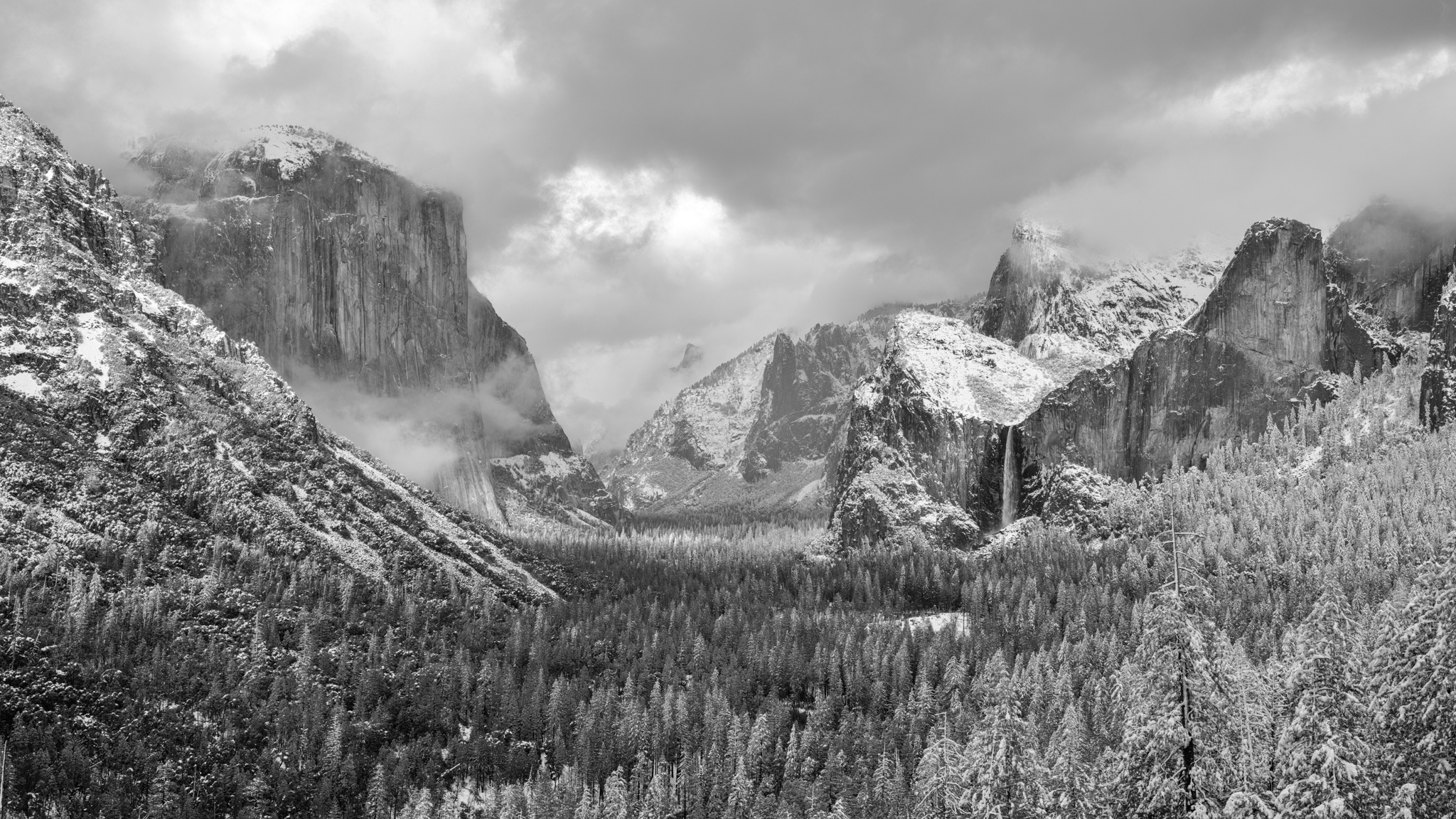
Tunnel View Spotlight — Yosemite Valley. Medium Format Digital. View print details →
El Capitan Meadow
Pull over anywhere along Northside Drive where El Capitan is visible to the west. The meadow gives you the full height of the wall — 3,000 vertical feet of granite from the valley floor. Morning light hits the southeast face directly. By midday the wall goes flat. Late afternoon catches the upper portions.
Winter is El Capitan's best season for photography. Snow on the valley floor, ice on the meadow pools, and the possibility of fresh snow on the upper wall — the contrast between white granite and black-and-white tonality translates exceptionally well to large prints. The shot I keep coming back to is a vertical with the full face of El Capitan, a thin layer of cloud at mid-height, and the meadow in the foreground. It took four trips to get the conditions right.
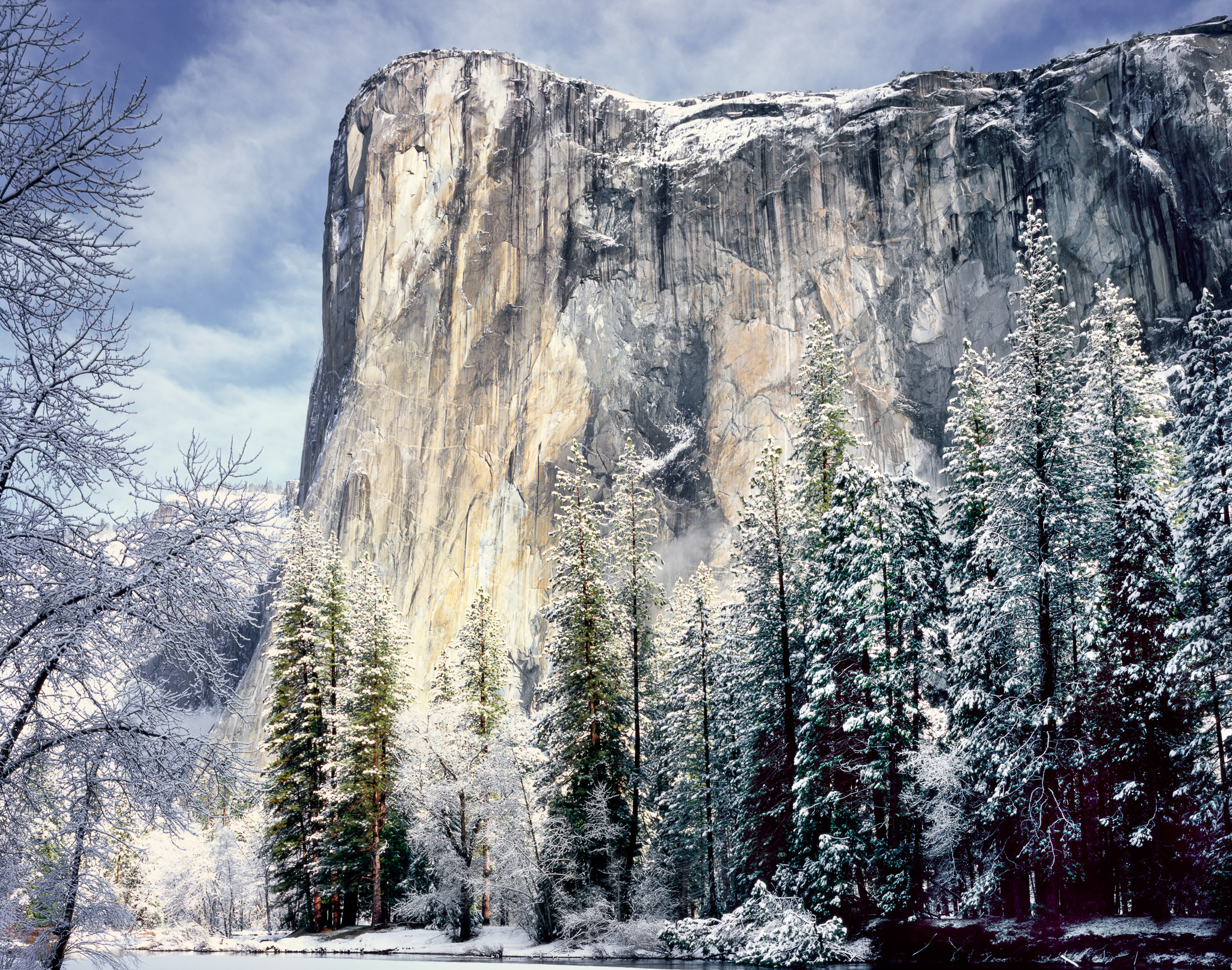
El Capitan — Yosemite Valley, 4x5 large format. View print details →
Sentinel Bridge and the Half Dome Reflection
At the right water level — typically late spring through early summer — the Merced River at Sentinel Bridge reflects Half Dome almost perfectly. The composition centers itself. You just need to decide how much sky versus reflection you want and pick your foreground.
The window for this shot is narrow. Too much snowmelt and the river runs fast and brown, no reflection. Too dry and the water level drops, changing the framing. May is usually the sweet spot. Get there at first light — the surface is calmest then, and the warm color hitting the upper face of Half Dome while the valley is still in shadow creates a contrast that's hard to manufacture later in the day.
Valley View
On the drive out of the valley toward the Valley View pullout on Northside Drive, you get El Capitan and Bridalveil Fall framed together with the Merced in the foreground. It's less crowded than Tunnel View and the lower angle — you're at river level, not above it — gives the valley a different scale. Worth the stop every time, especially in fall when the cottonwoods along the river go yellow.
Yosemite Waterfall Photography
Most of Yosemite's waterfalls are seasonal. They run hard in spring on snowmelt and slow to a trickle or stop entirely by late summer. Plan your timing accordingly.
Yosemite Falls
At 2,425 feet, Yosemite Falls is one of the tallest in North America. The lower fall is accessible via a short paved trail. The upper fall requires a strenuous 7.2-mile round trip — worth it if you're serious about a close-up shot of the upper cascade. Both are best in May and early June at peak flow.
For the standard valley-floor shot of the full falls, Yosemite Valley Lodge (now Yosemite Valley Lodge at the Falls) gives you a clear sightline from the meadow to the west. Afternoon light hits the falls directly. Spray mist in the air catches the light and adds depth — bring a lens cloth.
Bridalveil Fall
Bridalveil runs year-round, which makes it the most reliable waterfall in the park. The short trail to the base gets you close enough to feel the spray. From the valley floor across the meadow, the fall appears as a thin white thread against the cliff — a different photograph entirely.
Morning light is better here. The cliff faces east-southeast, so you get direct light on the fall in the first few hours after sunrise. By midday it's backlit and the spray becomes more pronounced. Both can work depending on what you're after.
Vernal Fall and Nevada Fall
These require a hike — 1.6 miles to the Vernal Fall footbridge, 2.4 miles to the top of Vernal Fall via the Mist Trail, 5.4 miles round trip to Nevada Fall. It's the best photography hike in the park. The Mist Trail in May is genuinely wet — pack your rain cover and resign yourself to wet gear. Nevada Fall from the top, with the canyon dropping away below it and the upper Merced visible upstream, is the shot most people have never seen because most people turn back at Vernal.
Glacier Point and the High Country
Glacier Point sits at 7,214 feet, above the south rim of the valley, with a direct view of Half Dome, the high country, and the valley floor 3,200 feet below. It's the high-angle Yosemite photograph — the one that shows the full scale of what you're looking at from the valley floor.
The road to Glacier Point closes in winter and typically reopens in May or June depending on snowpack. Sunset is the obvious time to shoot — Half Dome catches the last warm light while the valley goes blue below it. But early morning is less crowded and the alpenglow on the Half Dome face, before direct sun hits the valley, is worth the 5 AM drive.
Tuolumne Meadows, at 8,600 feet elevation on Tioga Road, is a different park entirely. Granite domes, subalpine meadows, and almost no one compared to the valley. Tioga Road closes in October and reopens in late spring. If you're there in July or August, the high country light — cooler, cleaner, less haze — is some of the best in the Sierra.
The Firefall: Photographing Horsetail Fall in February
For roughly two weeks in mid-to-late February, at the right time of evening, the setting sun hits Horsetail Fall on the east face of El Capitan at an angle that lights up the water orange and red. It looks like flowing lava. This is the Yosemite Firefall.
The conditions have to align: the fall needs to be running (requires sufficient snowmelt or recent rain), the sky needs to be clear in the west, and you need to be at El Capitan Meadow or the pullouts along Northside Drive around 5:30-5:45 PM local time during the second or third week of February. Miss any one of those and you're just looking at a waterfall in flat light.
The crowds for this event have grown significantly in recent years. Arrive early — noon isn't too early on a promising day — and claim a spot. A 200-400mm lens brings the fall in to a usable size. A tripod is essential. Shoot in bursts toward the end of the window; the color peaks and fades quickly.
Best Time to Visit Yosemite for Photography
Every season in Yosemite produces different photographs. None is objectively better — it depends on what you're after.
- Spring (April–June): Peak waterfall season. Snowmelt runs hard through May, the valley floor is green, and the light has a freshness to it after winter. Most photogenic season by most measures. Also most crowded. Timed entry reservations typically required.
- Summer (July–August): Tioga Road opens, giving access to the high country. Valley waterfalls are diminished. Crowds are at their peak. Best strategy: drive in before the reservation window opens, hit the valley early, and spend afternoons at elevation.
- Fall (September–November): My preferred season for the valley floor. Fewer people than summer, cottonwood and oak adding color along the valley floor, and the light getting that lower-angle quality that's better for granite. Waterfalls are minimal except after rain.
- Winter (December–March): The park empties out and the valley gets genuinely quiet. Snow on the valley floor, potential for storm light, and the Firefall window in February. No timed entry required. Some roads and facilities closed. The best time to work without an audience.
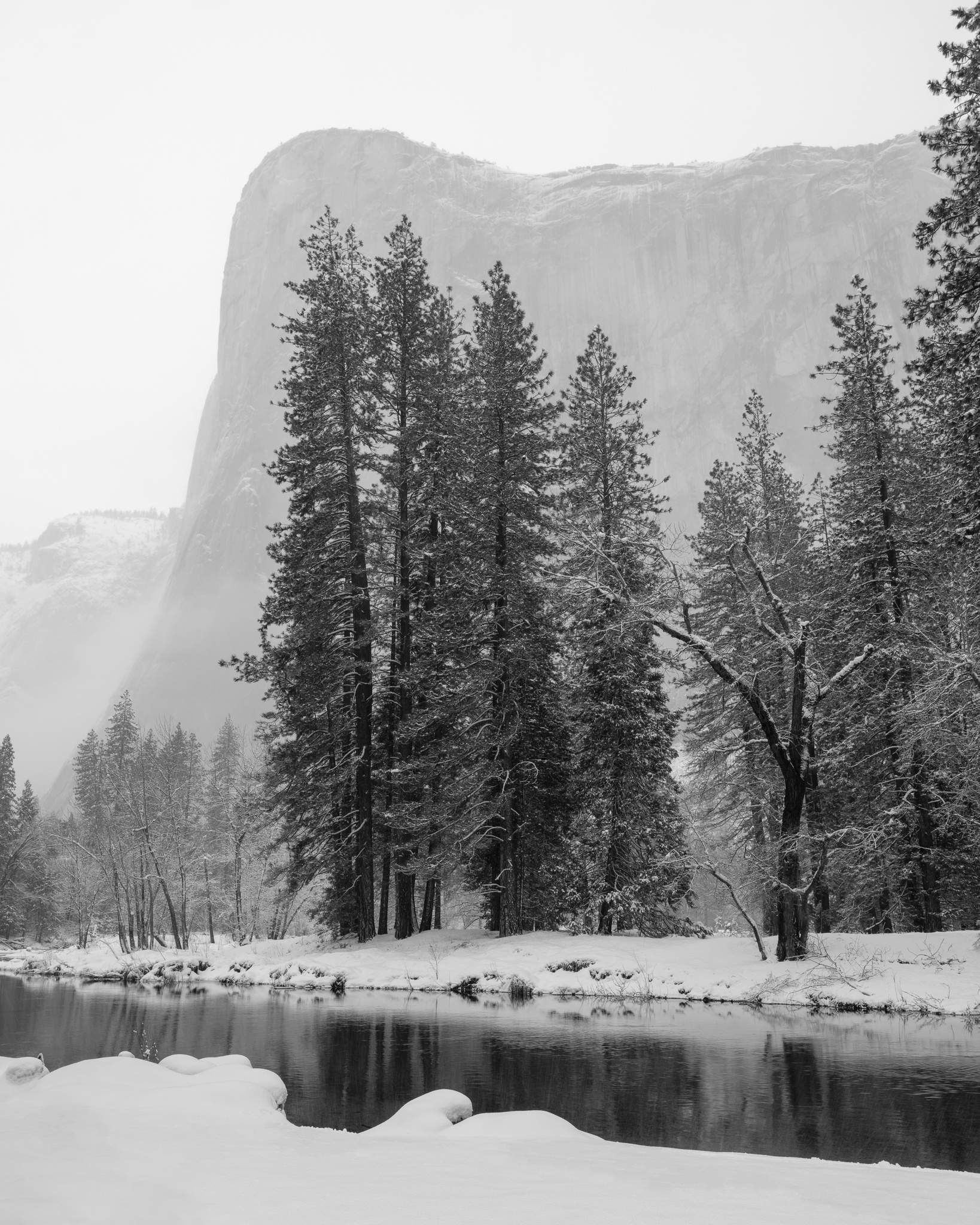
El Capitan's Winter Veil — Yosemite Valley, 4x5 large format film. View print details →
Camera Settings for Yosemite
Waterfall Exposures
For silky water, you need 1/4 second or slower. A polarizing filter cuts 1.5–2 stops and helps manage reflections in the river pools simultaneously. Waterfalls shoot best in overcast or open shade — the kind of soft, even light that lets you expose for the water without blowing the surrounding rocks. At f/22 on Velvia 50, I'm working at 1-2 seconds in that light — that smooths everything. The trade-off is that any wind in the foreground vegetation shows up as blur at those speeds.
Granite Walls and High-Contrast Scenes
Yosemite's tonal range is extreme — bright granite faces, deep shadow in valley recesses, white water. Matrix metering tends to underexpose the shadows. Spot meter off a mid-tone in the scene (often the granite in partial shade) and adjust from there. In digital terms, expose to the right and pull back in post. In film terms, Velvia's compressed shadow detail means you're making a choice about what to sacrifice.
Gear That Actually Matters Here
A sturdy tripod is non-negotiable — you're doing long exposures near water and the wind in the valley comes and goes unpredictably. A polarizer covers most situations for waterfall work; the overcast and open-shade light you're shooting in gives you the long exposures you need without stacking filters. Focal length depends on your subject: 24mm or wider for the valley floor views, 200-400mm for pulling in the waterfall details and the Firefall. Bring lens cloths — the spray near Bridalveil and the Mist Trail is real.
Best Photography Hikes in Yosemite
Some of the best photographs in Yosemite require leaving the car. These are the hikes worth doing specifically for the shots.
Mist Trail to Nevada Fall (5.4 miles round trip)
This is the best photography hike in the park. You get two waterfalls — Vernal Fall and Nevada Fall — plus the gorge of the Merced River, the granite staircase above Vernal, and the view from the top of Nevada Fall looking back down the canyon. Carry your rain cover in May; the trail through the mist zone is genuinely wet. The top of Nevada Fall, with the upper Merced visible upstream and the canyon dropping away below, is a shot most guides never show because most people turn back at Vernal.
Sentinel Dome (2.2 miles round trip)
A short, relatively easy hike that puts you on top of a granite dome at 8,122 feet with 360-degree views of the high country, Half Dome directly across, and the valley rim. The famous Jeffrey pine that appeared in Ansel Adams photographs has been dead for years, but the composition without it is still strong. Best at sunset — the light on Half Dome from this angle in the last 30 minutes of the day is some of the best in the park.
Taft Point (2.2 miles round trip)
Same trailhead as Sentinel Dome. Taft Point sits on the valley's south rim with a sheer 3,500-foot drop into the valley and fissures in the granite that you can look down through. The view west toward El Capitan is unobstructed. This is a vertigo-inducing location — there are no guardrails. Go for the valley rim composition, not the fissure shots unless you're comfortable at the edge.
Four Mile Trail to Glacier Point (9.6 miles round trip)
Most people drive to Glacier Point. Hiking up the Four Mile Trail gives you progressive views of the valley as you gain elevation — frames you simply don't get from the road. The trail climbs 3,200 feet. Go up in early morning, shoot the valley from multiple elevations on the way, and be at Glacier Point for the late-afternoon light on Half Dome. Either hike down or catch the hikers' bus back to the valley if it's running.
Tuolumne Meadows Area Hikes (Tioga Road, seasonal)
When Tioga Road is open (roughly June through October), the high country opens up a different set of hiking options. Lembert Dome gives you a wide-angle view of the meadows below and the Cathedral Range to the south. Pothole Dome at the west end of the meadow is a short scramble with a clean composition of the meadow, the Tuolumne River, and the domes beyond. Morning light on the meadow in July — when it's still cool and the deer are out — is worth an early alarm.
Planning Your Yosemite Photography Trip
Timed-entry reservations are required in the valley during peak season — check nps.gov for the current year's system, which changes. Outside those windows, valley parking fills before mid-morning. The free valley shuttle connects the major stops; using it rather than moving the car repeatedly saves real time.
Cell service in the valley is patchy. Download offline maps, your entry confirmations, and any permits before you drive in. Valley temperatures drop fast after sunset regardless of season — bring layers even in summer if you're planning to shoot into the evening.
Yosemite Photography Prints
Yosemite holds a specific place in large format photography history — Ansel Adams spent decades working these walls, and the tradition of careful, technically precise landscape photography runs through the place. Shooting here on 4x5 film connects you to that lineage in a way that's hard to fully explain and easy to feel when you're standing at a dark cloth with a loupe.
Browse my Yosemite photography gallery to see the full collection, or view individual prints: El Capitan, El Capitan's Winter Veil, and Tunnel View Spotlight. All available in multiple sizes, limited editions, with certificate of authenticity.
For other California landscapes, the California gallery includes Death Valley, Big Sur, and Eastern Sierra work. If you're extending the trip into the Southwest, my Death Valley photography guide covers the salt flats and badlands, and the Zion National Park photography guide covers Utah canyon country. For winter shooting specifically — Sierra Nevada and beyond — best places to photograph snow-covered mountains in winter covers Yosemite in January along with other mountain locations worth the cold.
Fine Art Prints
Not making this trip? Own the view.
These photographs required years of fieldwork, pre-dawn drives, and considerable luck with light. Limited editions on ChromaLuxe metal or Lumachrome acrylic — each with a certificate of authenticity and edition number.
Frequently Asked Questions
- What are the best photography spots in Yosemite Valley?
- Tunnel View at sunrise for the classic valley panorama, Valley View for El Capitan reflected in the Merced River, Sentinel Bridge at dawn for Half Dome reflections, and Cook's Meadow for wide valley compositions. For less-photographed perspectives, Taft Point on the south rim gives unobstructed views toward El Capitan with a genuine sense of the valley's scale.
- When does the Horsetail Fall firefall effect happen?
- The last two weeks of February, roughly 5:20–5:40 PM, when the setting sun illuminates Horsetail Fall at an angle that makes it appear as glowing orange lava. The effect requires the fall to be flowing (good snowpack year), a clear western sky at sunset, and exact timing. Crowds have grown substantially — arrive by early afternoon to secure a position.
- What time should I be at Tunnel View for sunrise photography?
- Arrive 30–45 minutes before sunrise. Valley mist in spring and early summer catches the first light and adds depth to the composition. The overlook faces east, so sunrise is direct front-lit light. Valley Drive fills quickly — by 8 AM year-round the parking is often full. Winter visits after a storm produce the most dramatic conditions.
- Is Yosemite photography better in winter or spring?
- Both have distinct advantages. Spring (April–May) brings peak waterfall flow from snowmelt, valley mist, and softer green light in the forests. Winter (December–February) offers snow-covered meadows, bare tree compositions that reveal the valley's structure, and dramatically lower crowds. Winter access can be limited; check road conditions before planning a remote trailhead visit.
- How do I photograph El Capitan in Yosemite?
- Valley View (a pullout on Northside Drive near the valley entrance) gives El Capitan reflected in the Merced River — best at dawn before wind disturbs the surface. El Capitan Meadow directly below allows you to look straight up the wall. The Four Mile Trail to Glacier Point gives progressive valley views from elevation as you climb, including angles unavailable from the valley floor.
Explore Related Photography
Enjoyed this article?
Subscribe for more photography stories, techniques, and exclusive behind-the-scenes content.
Related Posts
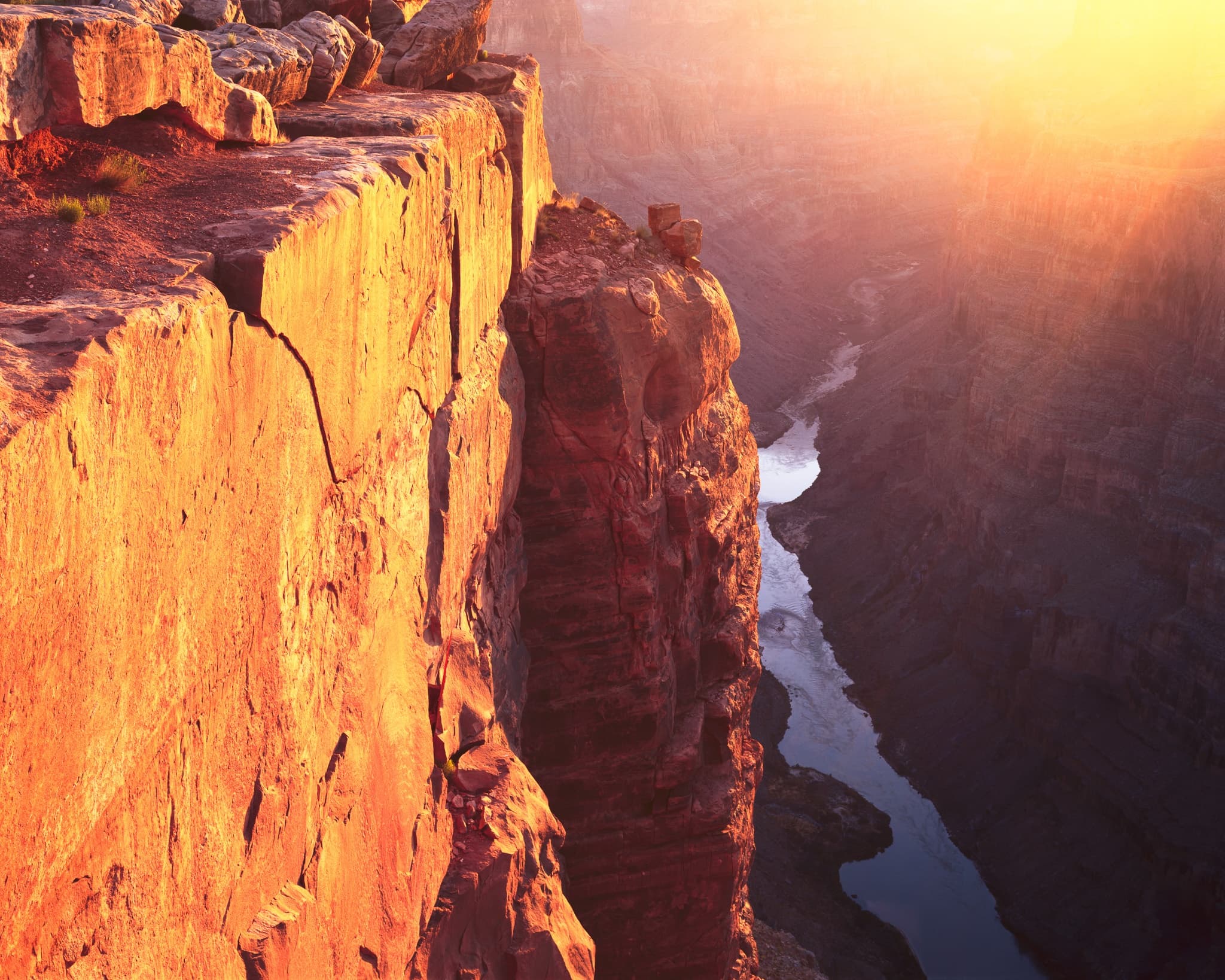
Grand Canyon Photography Guide: Best Spots, Light & Timing
The famous south rim overlooks are worth making. But the Grand Canyon images I keep coming back to came from a remote western overlook that requires 60 miles of unpaved road to reach — and from the North Rim in October, when the crowds are gone and the canyon light gets serious.
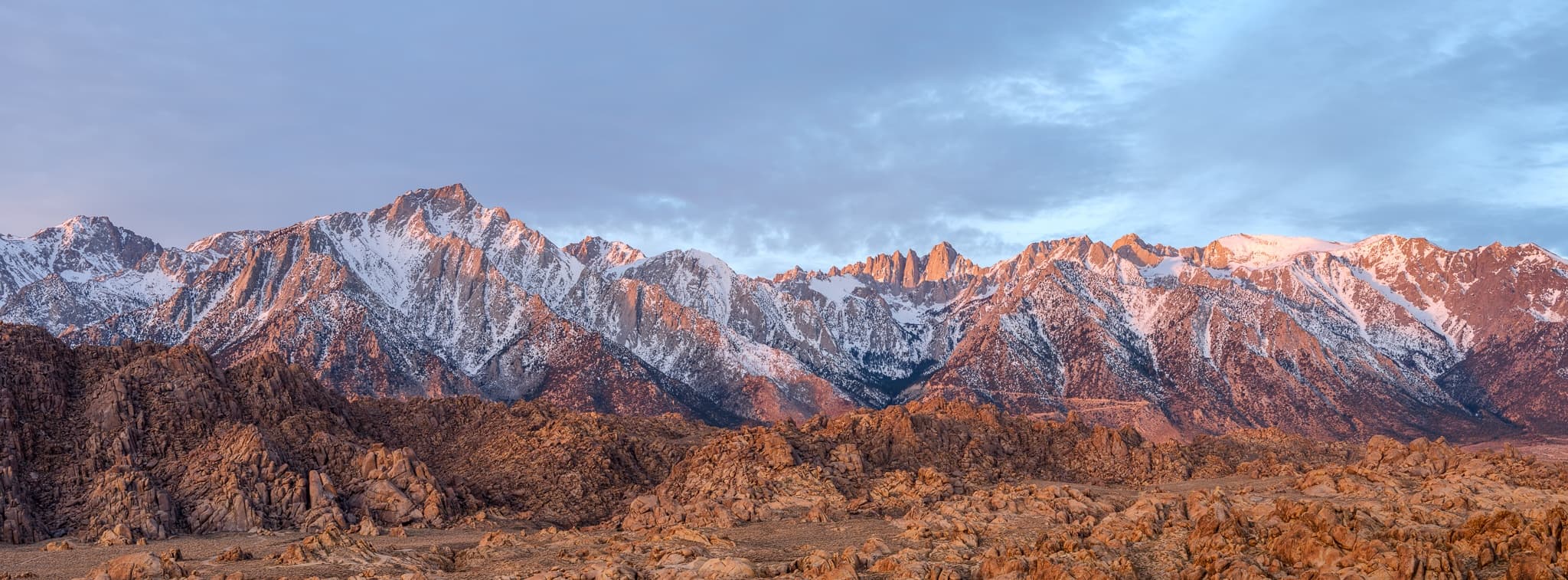
Best Places to Photograph Snow-Covered Mountains in Winter
Winter transforms mountain landscapes in ways no other season can. Where to go, when to go, and what to expect — from Yosemite's granite walls under fresh snow to Zion's red canyon in a storm.
Analog Landscape Photography: Why Film Still Makes Sense in 2026
Most photographers who've tried 4x5 large format film don't go back to digital for their serious landscape work. Here's the honest case for shooting analog in an era when you have no practical reason to.
Tags
Marty Quinn
Large format film photographer based in Phoenix, Arizona. Shoots on 4x5 Arca-Swiss view cameras across the American Southwest — Utah, Arizona, Death Valley, and the Colorado mountains. 25+ years behind the lens. Published in Outdoor Photographer magazine (The Last Frame, June 2008). About Marty →