





Black and White Photography
Black and white photography reveals the essential elements of composition through the distilled visual language of tone, form, texture, and light. The absence of color forces both photographer and viewer to engage with fundamental compositional relationships that color might otherwise dominate or disguise. Monochrome photography maintains a distinguished tradition extending from 19th-century pioneers through mid-20th-century masters to contemporary practitioners who recognize black and white's enduring power to convey emotion and atmosphere through purely tonal means.
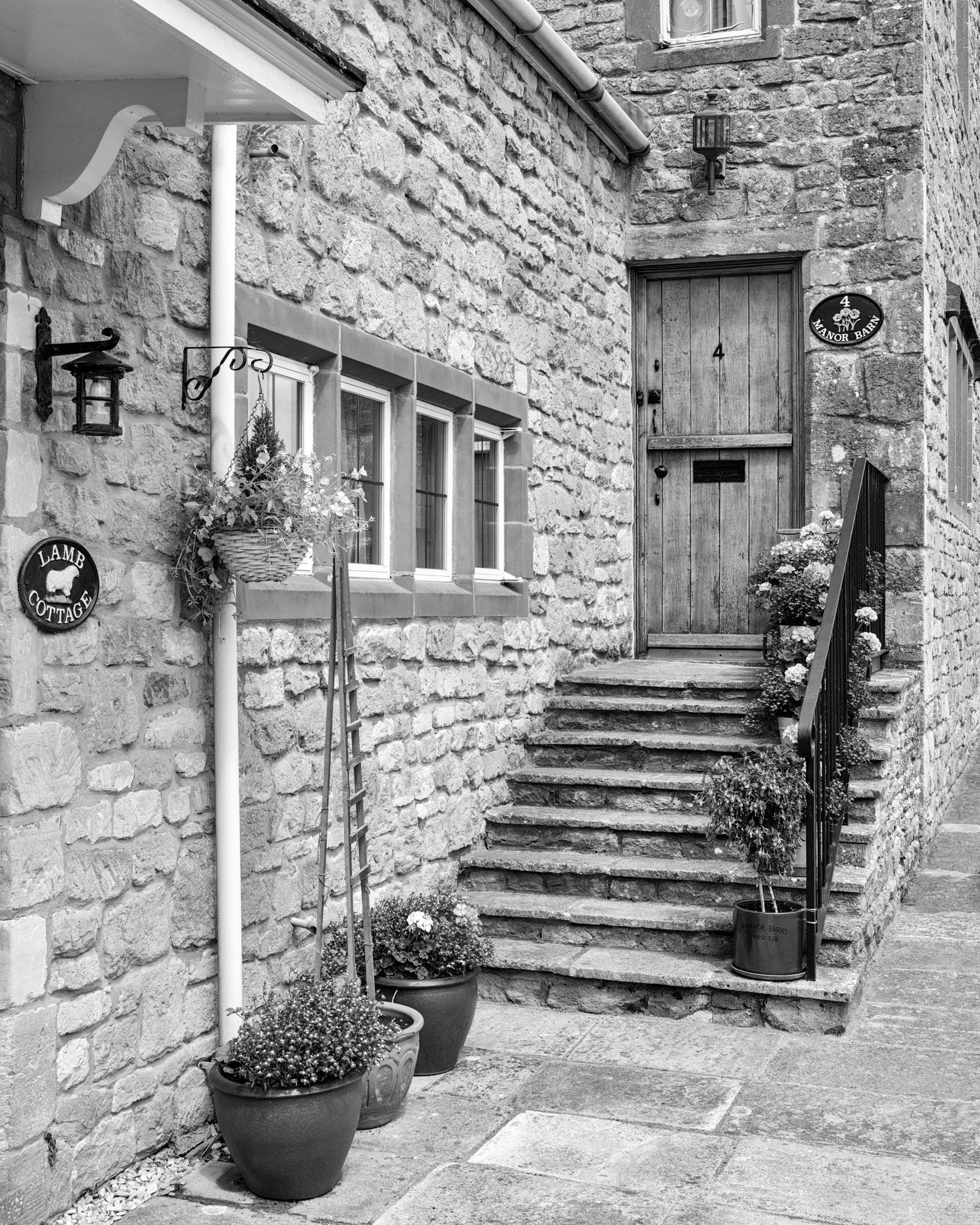
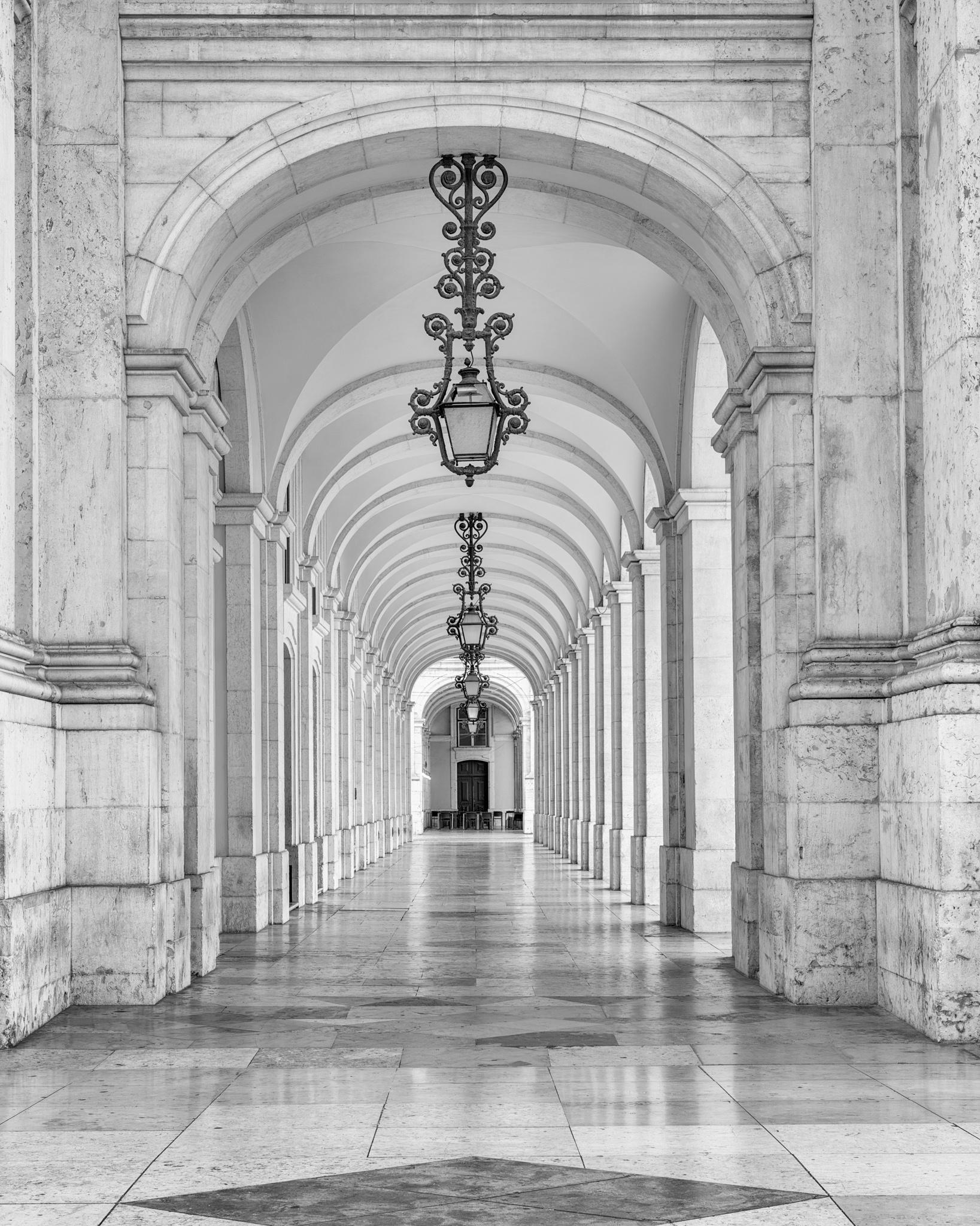
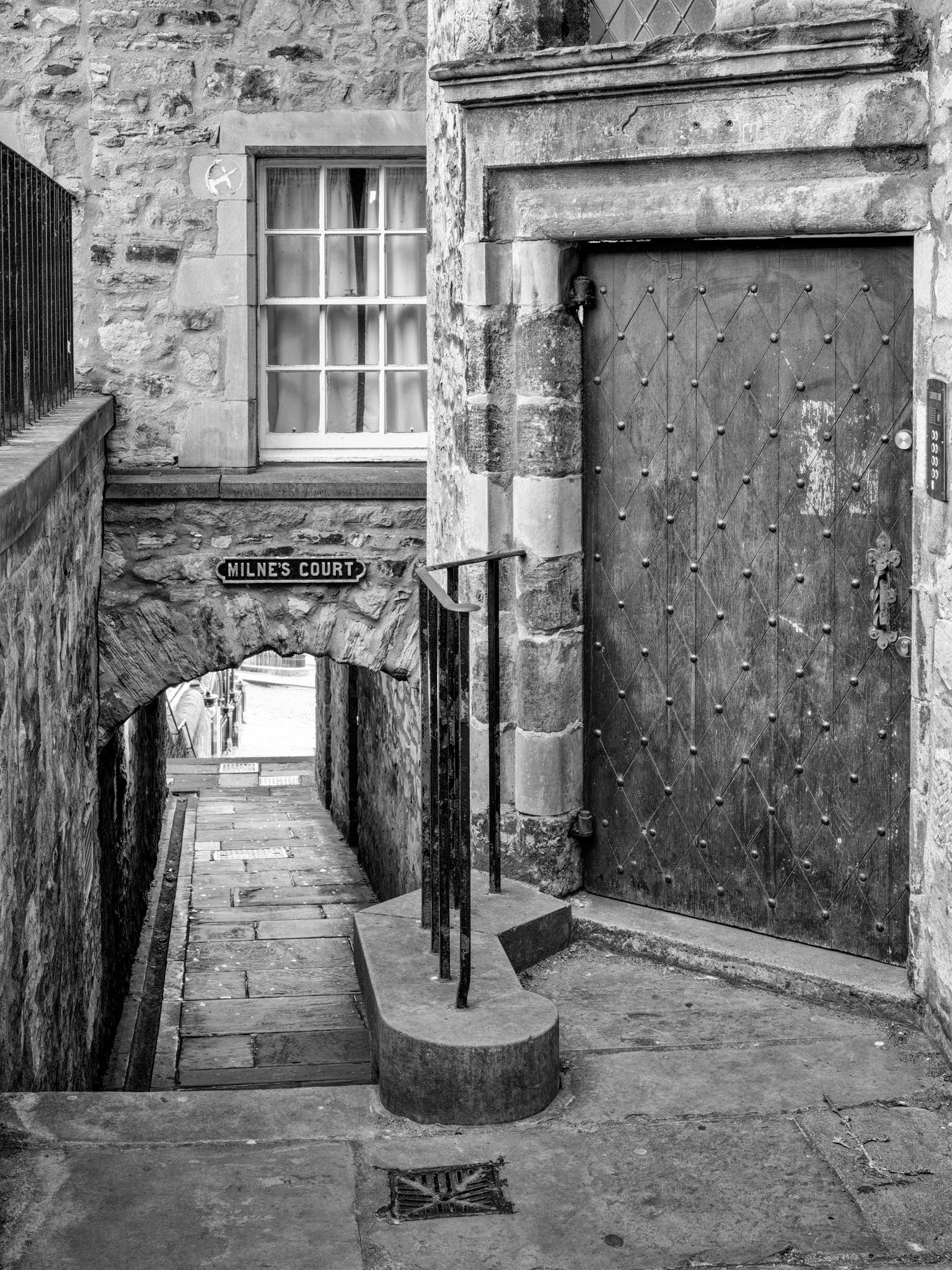
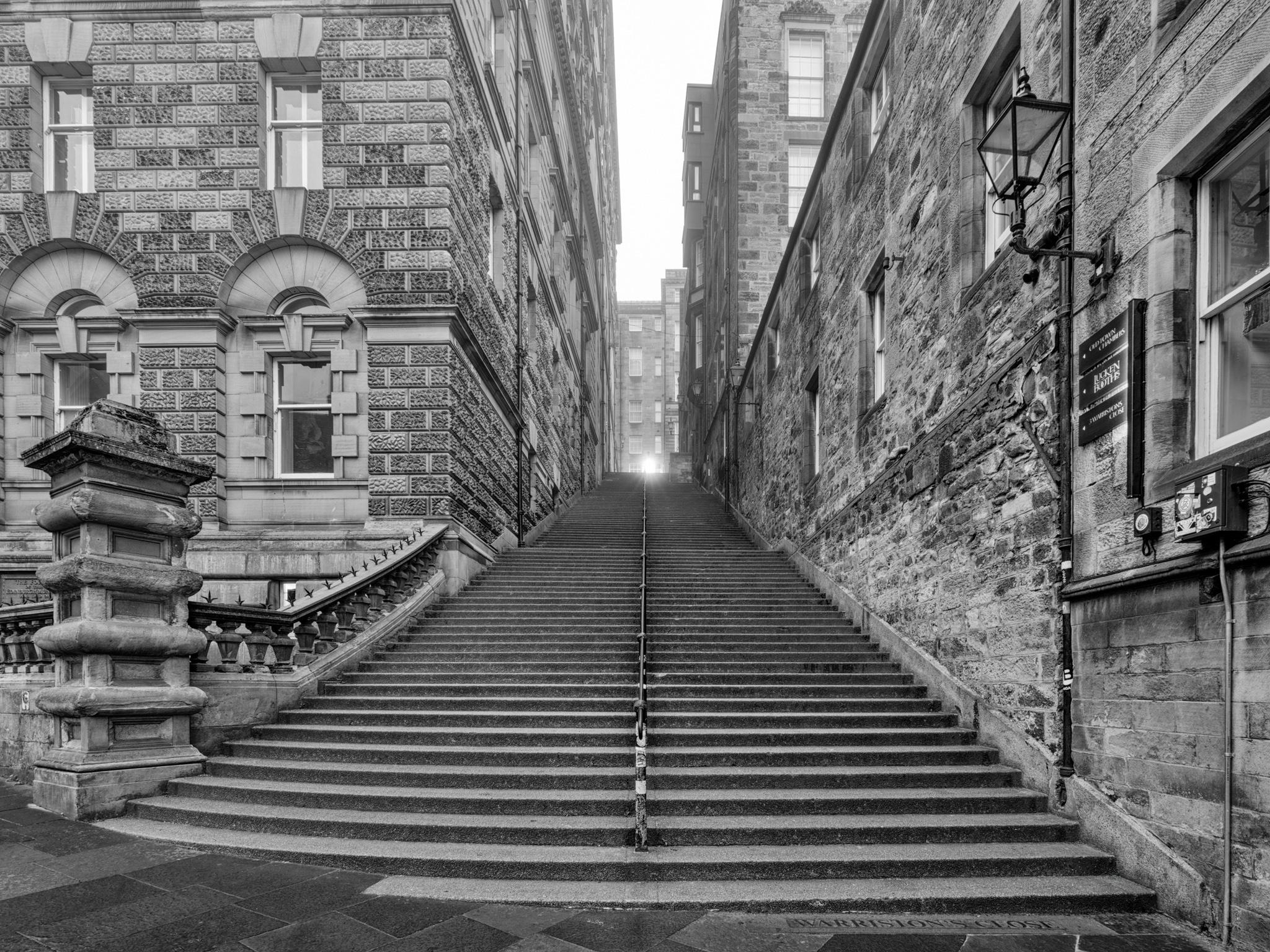
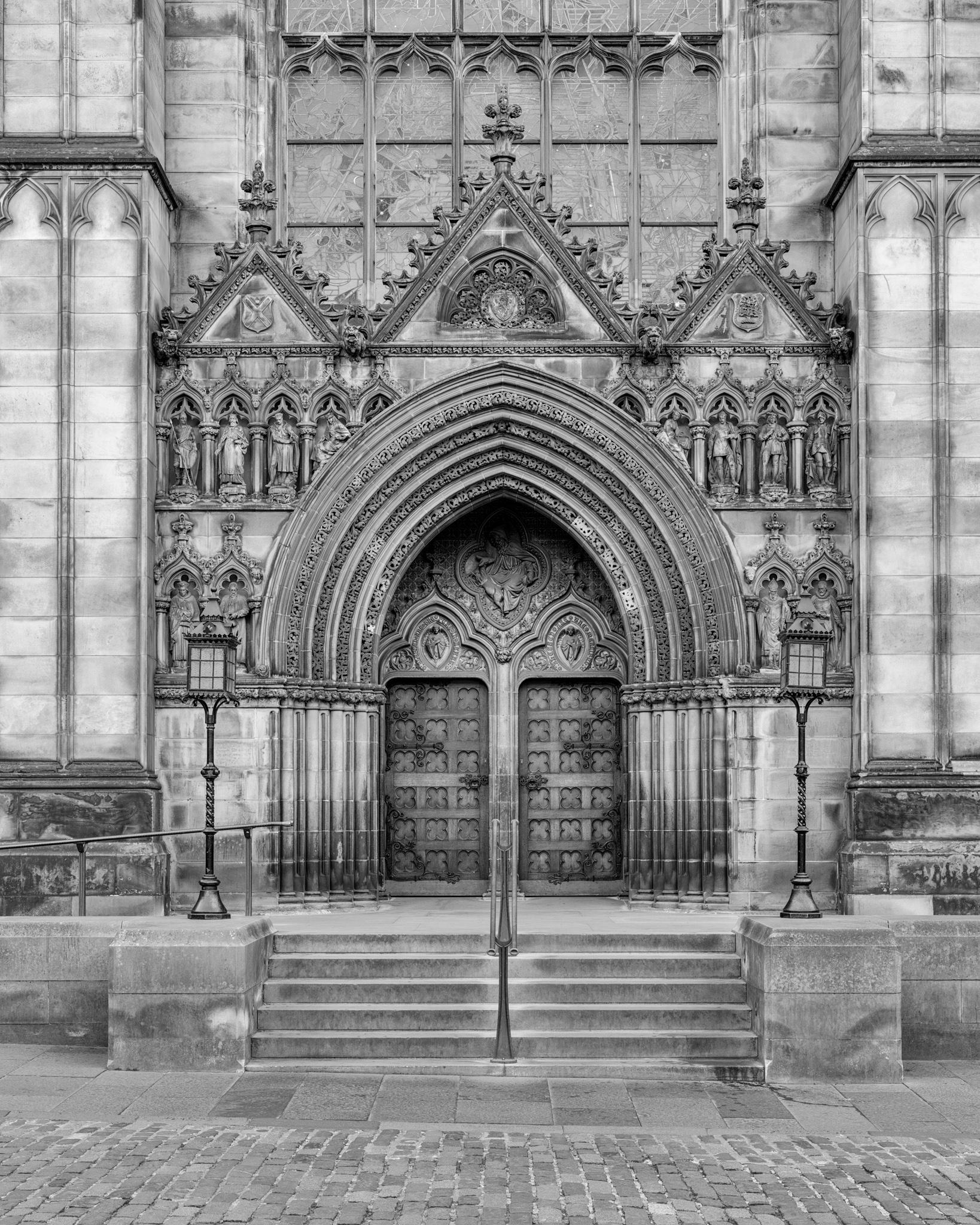
About half of these images began on 4x5 sheet film and the other half on digital cameras. Film comes with a slower pace, one sheet at a time under a dark cloth. Digital is quicker, and the architecture images here were made that way. Either way the work ends up in the same place: getting the tones right, from the deepest blacks to the brightest highlights, so the print holds up on a wall.
Seeing in Monochrome
Successful black and white photography requires learning to see scenes in terms of tonal values rather than colors. Subjects that appear visually striking in color might translate to similar gray tones in monochrome, losing visual separation and compositional strength. Conversely, scenes overlooked in color can transform into powerful black and white images when tonal contrasts, textures, or lighting patterns become the dominant visual elements. This different way of seeing rewards patient observation and mental previsualization of how colored subjects will render as grayscale tones.
Zone System & Tonal Control
The Zone System, developed by Ansel Adams and Fred Archer, provides systematic methods for achieving precise tonal control in black and white photography. This approach divides the tonal range from pure black to pure white into distinct zones, allowing photographers to place important subject values in specific tonal zones through careful exposure and development. Understanding Zone System principles proves particularly valuable for large format work, where individual sheet development enables customized contrast control tailored to each scene's unique lighting characteristics.
Fine Art Monochrome Prints
Black and white photographs are printed using archival techniques that capture the full tonal range and subtle gradations that define masterful monochrome imagery. Each print preserves the rich blacks, luminous highlights, and smooth tonal transitions that make black and white photography compelling for collectors who appreciate photography's most enduring aesthetic tradition.
Prints available in sizes from 11x14 inch intimate studies to large 40x50 inch dramatic compositions. All prints include certificates of authenticity and are produced on museum-quality materials suitable for serious collectors of black and white photography.