
Investment Details
Order This Print
Print Medium
• Professional archival quality prints
• Made to order — please allow 2–4 weeks for delivery (3–4 weeks for acrylic)
• Certificate of authenticity included
• Secure packaging and shipping
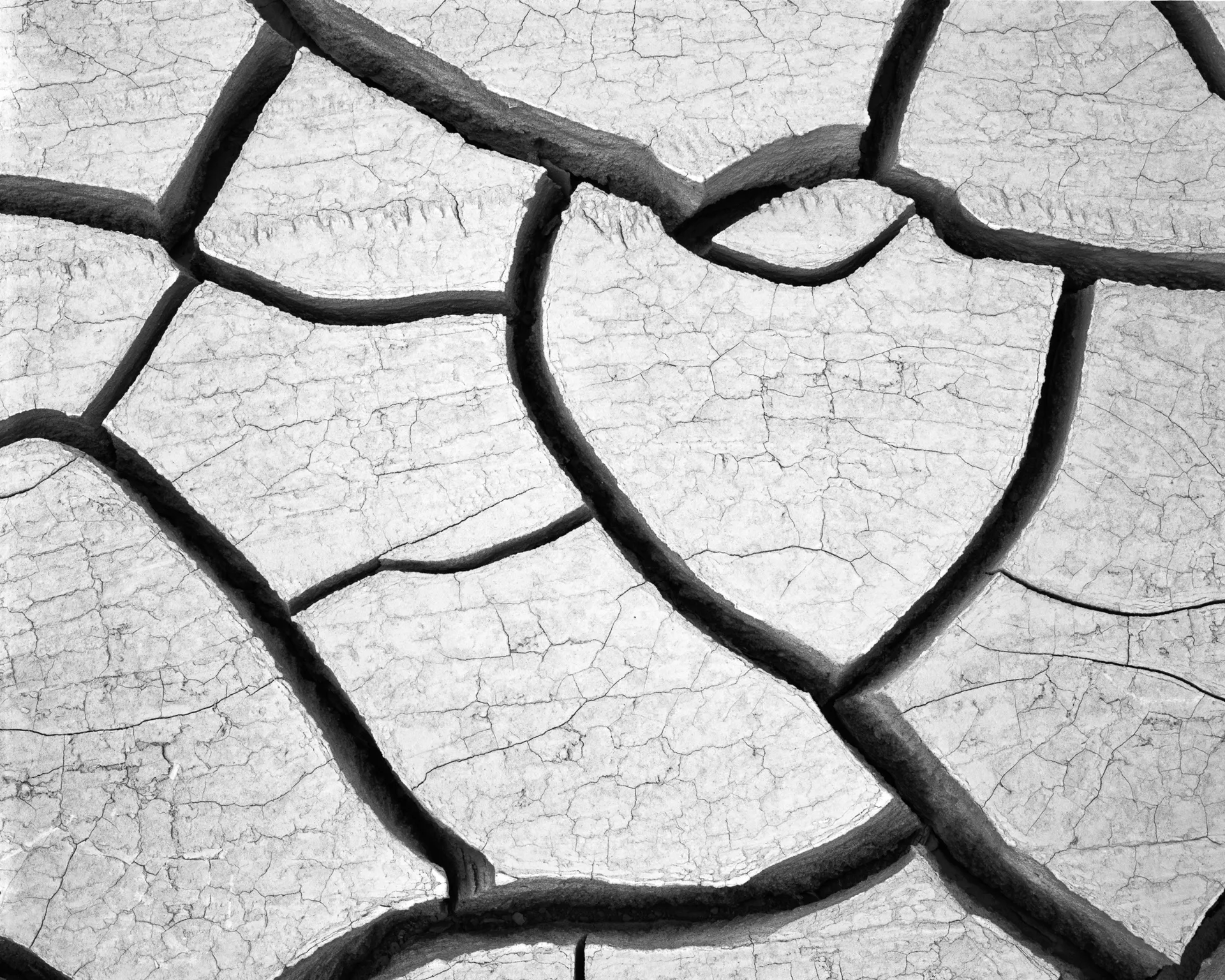
A close study of cracked mud in Death Valley's valley floor. Winter afternoon light in the park comes in flat and extended — the shadows are long, the texture of the dried clay reads clearly. Tachihara 4x5 large format field camera, Kodak T-Max 100.
Cracked Earth
Print Medium
• Professional archival quality prints
• Made to order — please allow 2–4 weeks for delivery (3–4 weeks for acrylic)
• Certificate of authenticity included
• Secure packaging and shipping
Need a custom size or have questions?
Contact for Custom OrdersA close study of cracked mud in Death Valley's valley floor. Winter afternoon light in the park comes in flat and extended — the shadows are long, the texture of the dried clay reads clearly. Tachihara 4x5 large format field camera, Kodak T-Max 100.
See This Print In Your Space
Visualize how this fine art print would look in your home or office. Our team can place this print in your actual room so you can see exactly how it fits before you commit.
• Professional room visualization service
• Multiple size and framing options shown
• Accurate scale and lighting representation
• Complimentary for serious collectors
Investment Details
Investment-Grade Quality
- • Museum-quality archival materials (100+ year permanence)
- • Certificate of authenticity included
- • White-glove delivery available
Collector Consultation
Corporate projects, custom dimensions, or investment inquiries.
Contact for consultation →You Might Also Like
Explore more prints from the same region and style.
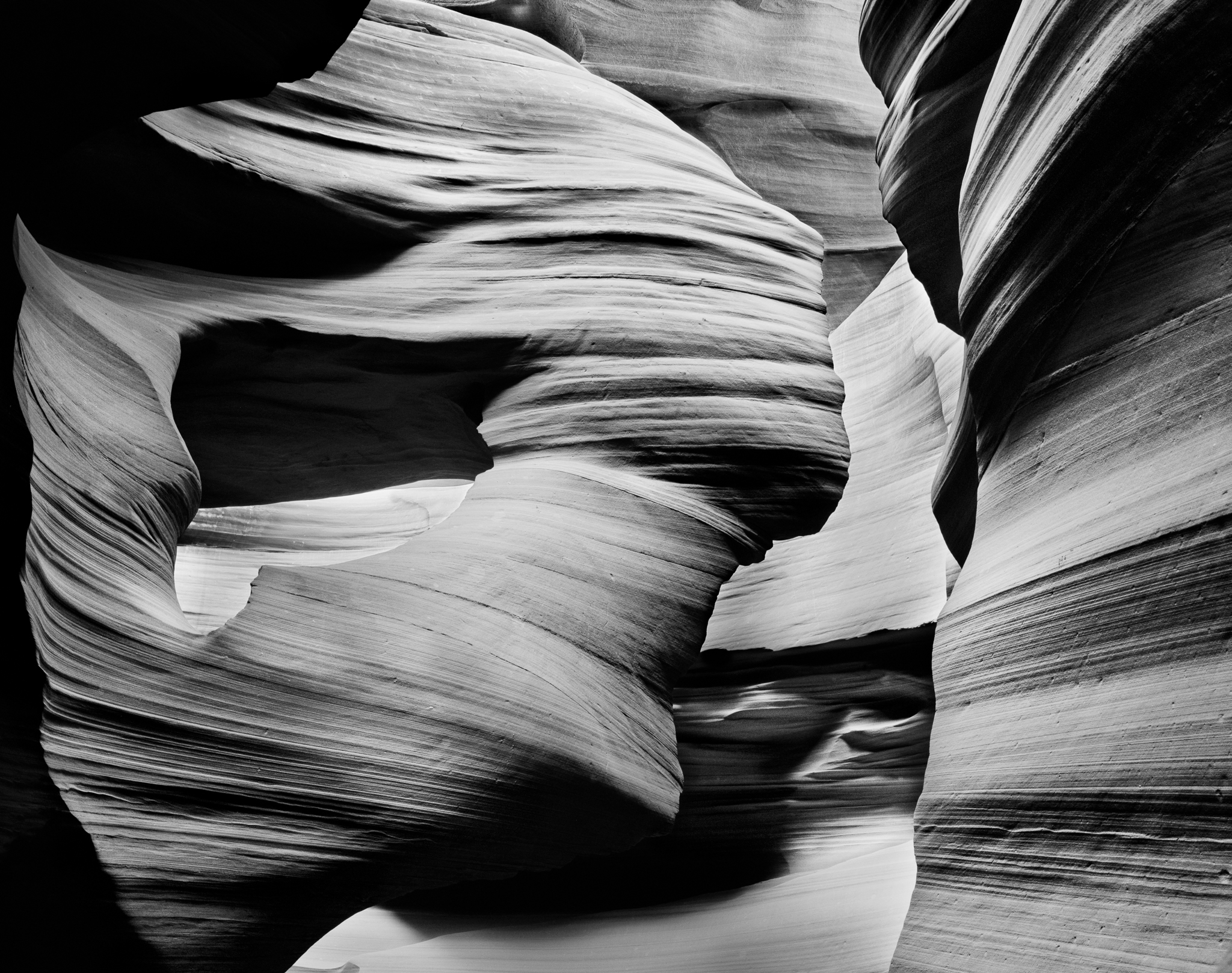
Canyon Bust
Arizona
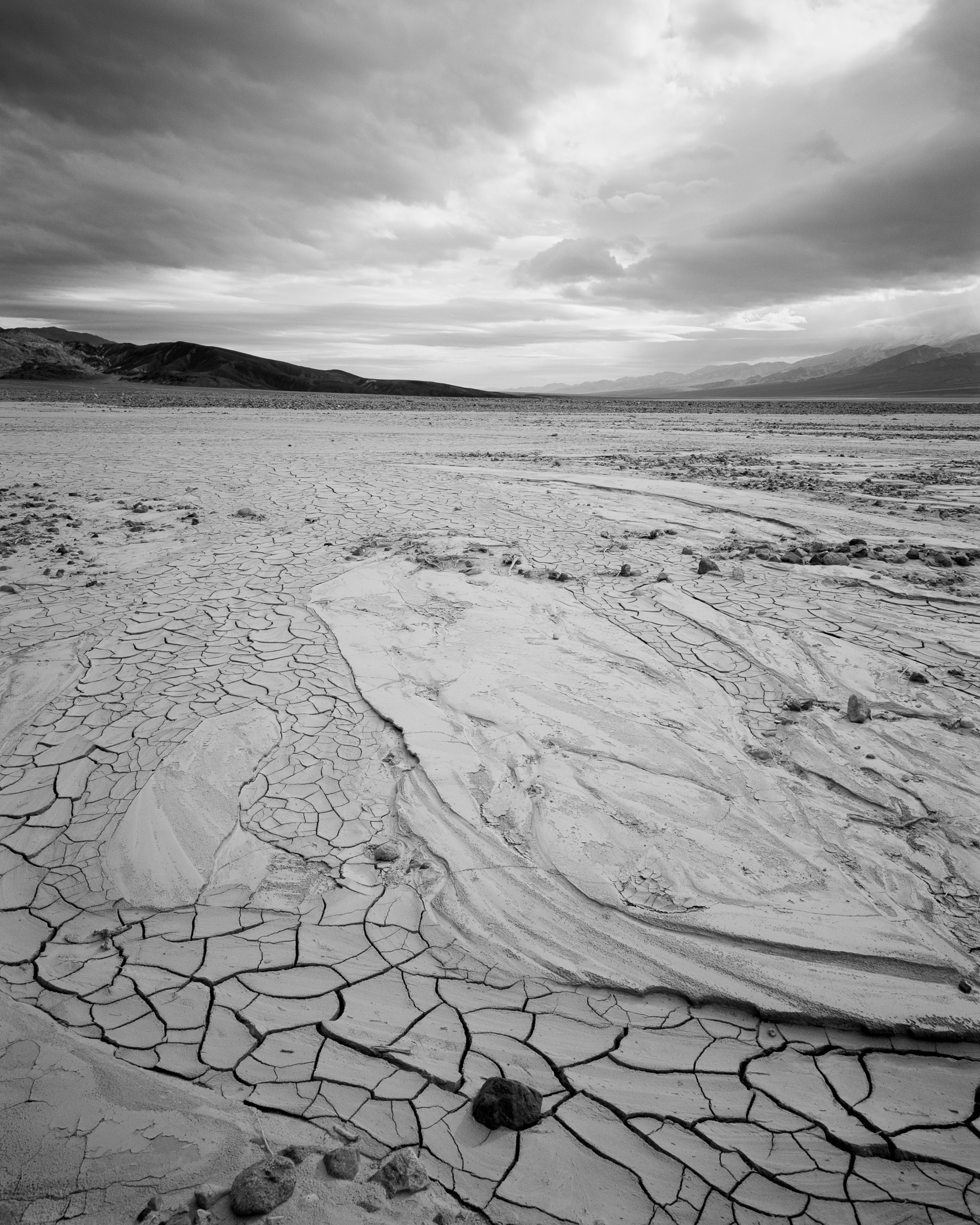
Cracked Mud Wash
California
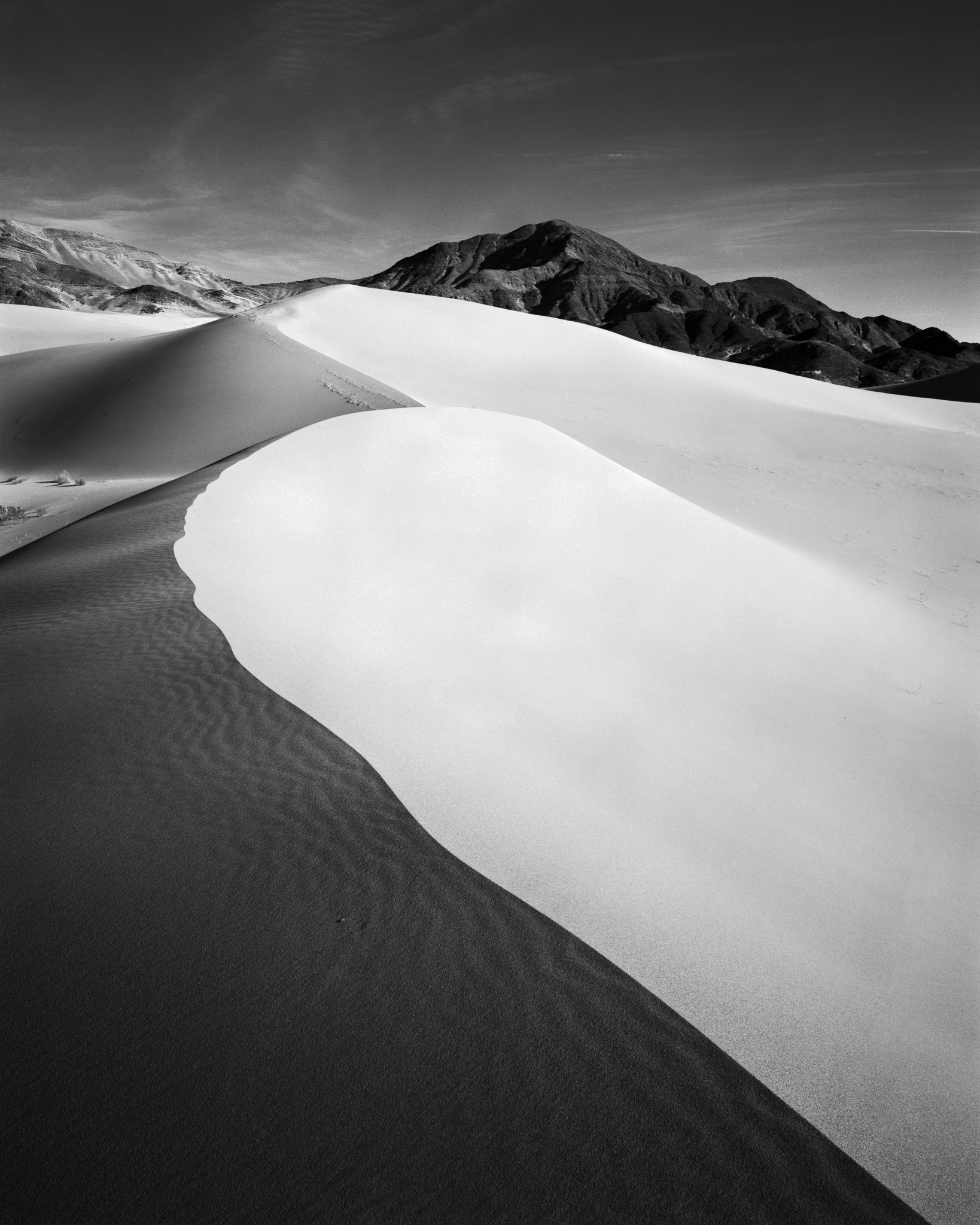
Dune Light
California
Fractured Earth
California
House on Fire
Utah
Zabriskie Point Black and White Pano
California
Joshua Tree and Rocks
California
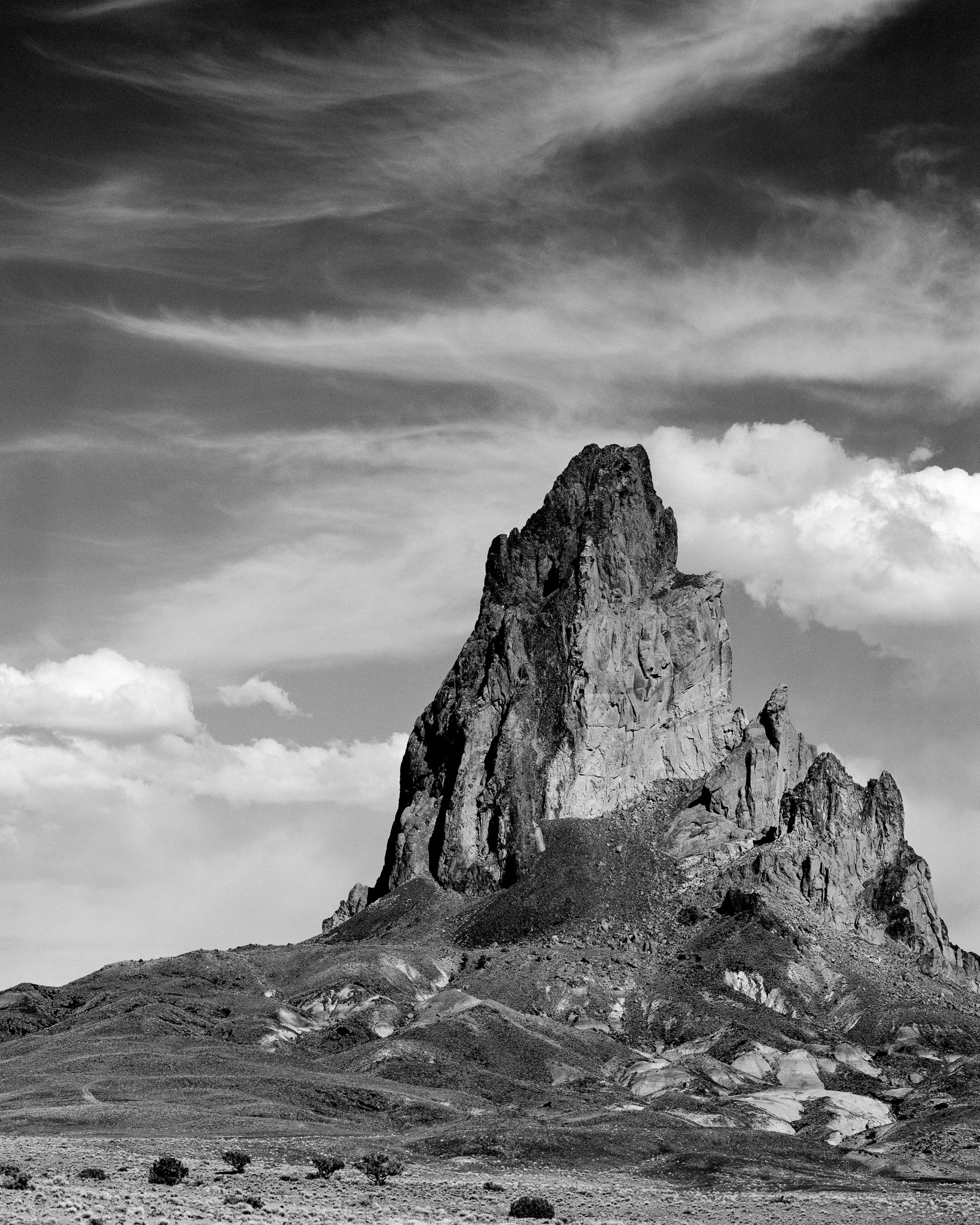
Agathla Peak
Arizona
About “Cracked Earth”
The Image
"Cracked Earth" captures a compelling scene from Death Valley. Close study of cracked mud flats in Death Valley National Park, shot on Kodak T-Max 100 with a Tachihara 4x5 large format field camera.
Mud cracks form when fine sediment — left by flash floods — dries out and contracts. The geometry isn't random. The shapes tend toward polygons, and the polygon size is related to how thick the clay layer is and how quickly it dries. Thick, slow-drying layers crack into large shapes. Thin layers dry fast and form smaller, more complex patterns.
Winter afternoon light in Death Valley comes in flat and extended. The sun is low. The shadows are long. Black and white film reads the texture in terms of contrast — the raised edges of each polygon catch the light, the cracks drop into shadow — and the result has a three-dimensional quality that color doesn't always capture as cleanly.
T-Max 100 at box speed, developed for moderate contrast. Available as a fine art large format print.
Technical Approach
This photograph was captured using a 4x5 Large Format camera loaded with Kodak T-Max 100. Shot during afternoon, the quality of light at this hour defined the mood and tonal range of the final image. Winter stripped the landscape to its essential forms, creating stark contrast and clean compositions. T-Max 100's tabular grain structure produces clean tones and sharp detail, well suited to high-contrast landscapes. The large film area records extraordinary detail, producing prints that remain sharp at virtually any size. Camera movements allow precise control over perspective and depth of field impossible with smaller formats.
Location & Subject
California offers unparalleled variety for landscape photography. Ancient redwood forests along the coast, the granite grandeur of Yosemite, the otherworldly terrain of Death Valley, and the twisted Joshua trees of the Mojave—each ecosystem presents unique photographic challenges and rewards. The Golden State's varied geography ensures compelling subjects in every season. Desert landscapes reward photographers who understand the extremes of this environment. The absence of atmospheric moisture creates exceptional clarity and vibrant color saturation, particularly during golden hour. Heat creates convection currents requiring careful timing, while dramatic temperature swings between day and night generate unique weather patterns. Desert subjects—from weathered joshua trees to abstract dune formations—benefit from the clean, directional light these environments provide.
Collector Information
"Cracked Earth" is offered as a limited edition fine art print, individually produced using museum-quality archival materials. each print includes a signed certificate of authenticity documenting its place in the edition. Available print options include traditional photographic paper for matting and framing, ChromaLuxe metal for contemporary presentation, and Lumachrome TruLife acrylic for maximum visual impact and longevity.
Need a Custom Size or Have Questions?
Corporate projects, custom dimensions, or investment inquiries — happy to discuss your specific needs.